Start with what enters the machine
A trade name alone may not disclose additives, coatings, adhesives, or halogens. Review the technical and safety data, confirm the actual lot, and stop when composition is uncertain.
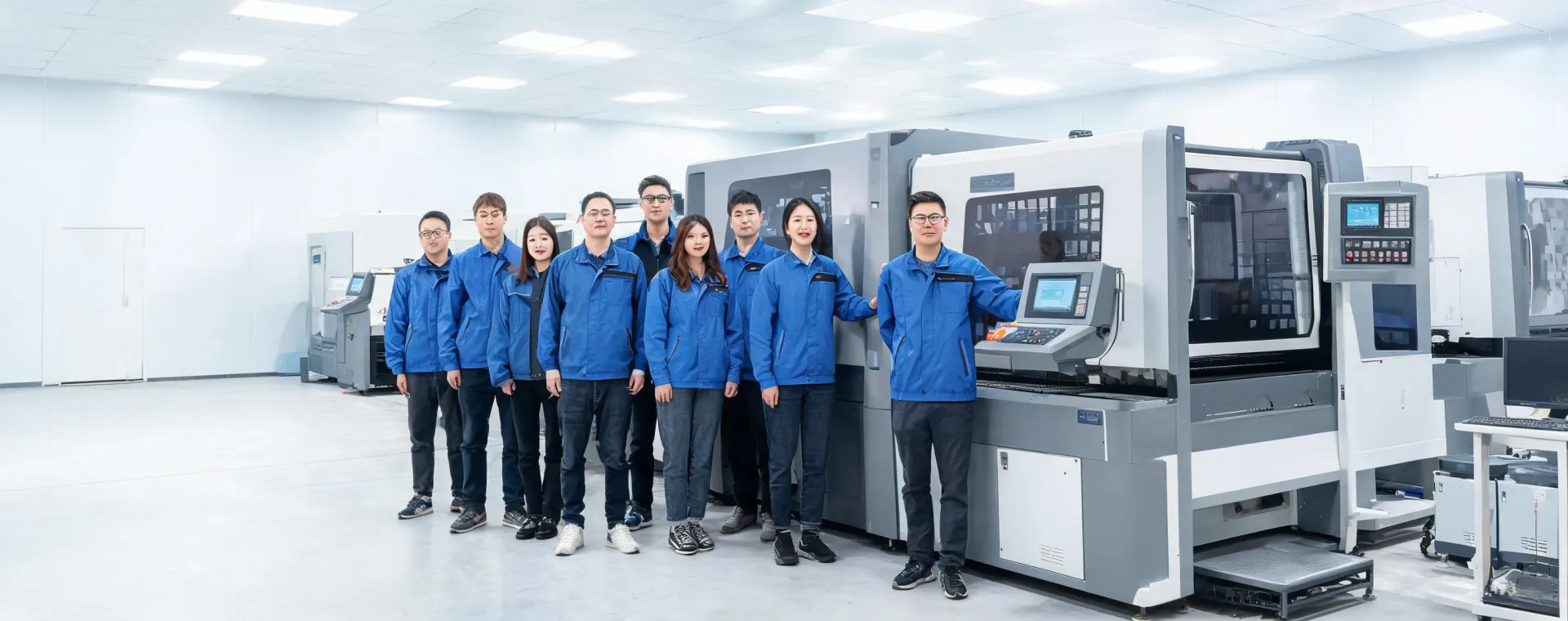
Without a verified corporate chronology in the supplied brand assets, this timeline describes the operational progression a Trotec project should make. It avoids invented founding dates, awards, or installation counts.
A trade name alone may not disclose additives, coatings, adhesives, or halogens. Review the technical and safety data, confirm the actual lot, and stop when composition is uncertain.
Use labeled coupons, fixed inspection conditions, and one-variable changes. This turns visual preference into evidence that another operator can review.
Saved settings are meaningful only when focus, lens condition, airflow, bed state, and handling remain within the documented operating condition.
Operators need approved materials, stop conditions, inspection cues, cleaning boundaries, and an escalation route alongside software and loading steps.
Separate observed results from assumptions. Record the material, setup, settings, and inspection method behind a recommendation so its limits remain visible.
Unknown polymers, inadequate extraction, damaged optics, bypassed interlocks, smoke, flame, or unexpected odor are reasons to pause—not variables to optimize around.
A good result on the application bench becomes useful only after the recipe, artwork rules, loading method, checks, and escalation path are transferred to production.
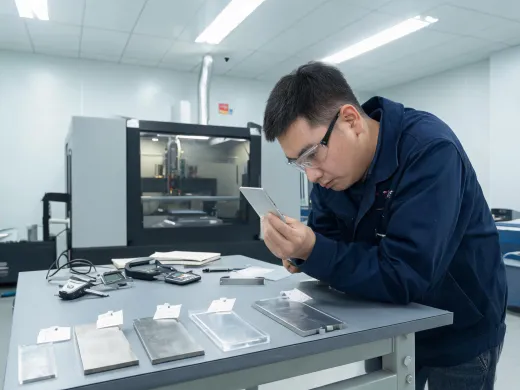
Frames the material test, defines observable acceptance criteria, and documents the parameter window and limits.
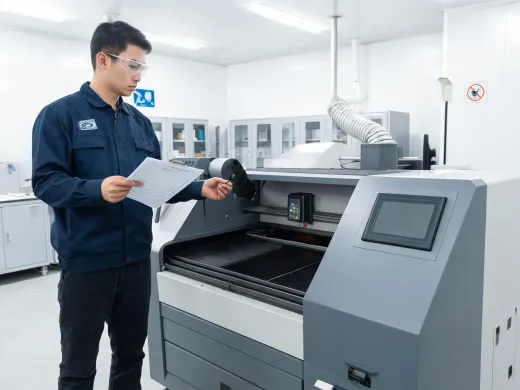
Connects symptoms to equipment condition, maintenance evidence, environment, and the approved service procedure.
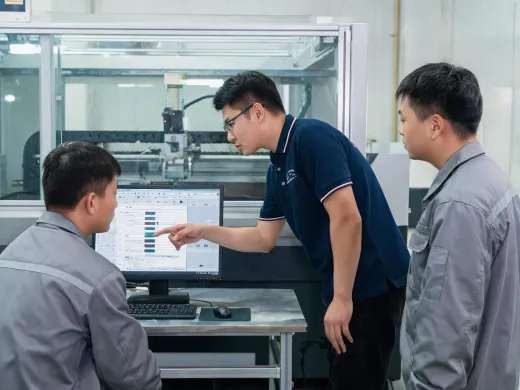
Translates software, loading, focusing, observation, inspection, and stop conditions into an operator-ready sequence.
Availability and applicability vary by model, destination, material, and installation. Confirm the required documents for the selected configuration rather than treating this row as a certification claim.
We can help turn those inputs into a practical system and test discussion.